




September 23 2024
Knowing the proper way to wrap furniture for storage is essential for keeping your furniture in good condition. Covering it with a sheet won’t cut it; you must prepare and use suitable materials to protect it from dust, moisture, and damage. Our step-by-step guide will walk you through preparing, disassembling, and wrapping your furniture correctly, regardless of size and material.
This blog covers everything from cleaning and preparing furniture to selecting the best materials for wrapping different surfaces. Whether you have antique wooden pieces or modern furniture, this step-by-step guide will teach you to store them safely and effectively.
How do I prepare my furniture for storage?
Ensure furniture is clean

To maintain the quality of your furniture while it’s in storage, you must ensure that each piece is thoroughly cleaned and prepared. This is important for different types of materials, as they may require different care:
How to Clean Wood Furniture
To ensure proper care for wood surfaces, start by dusting with a dry cloth to remove any loose particles. For a more thorough cleaning, use a gentle wood cleaner and wipe with a damp cloth, ensuring not to leave the wood wet to prevent mildew. Once cleaned, apply a coat of furniture polish to protect and enhance the wood’s natural beauty.
How to Clean Metal Furniture
To clean metal furnishings:
- Use a soft cloth and a mild soap to wipe down the surfaces.
- After cleaning, rinse the cloth and wipe the metal again to remove any soap residue.
- Polish the metal with a metal cleaner to prevent oxidation and tarnishing.
How to Clean Fabric Furniture
Vacuum your fabric furniture thoroughly to remove dust and crumbs, and pay close attention to the crevices where dirt tends to gather. For any stains or mildew, use water and mild detergent to clean those areas. Always ensure that the fabric is completely dry to prevent mould from developing.
How to Clean Leather Furniture
To clean your leather furniture for storage:
- Start by vacuuming the furniture to remove dirt and dust.
- Clean the leather using a vinegar and water solution or a specialised leather cleaner.
- Apply the cleaning solution with a soft cloth to avoid over-saturation.
- After cleaning, apply a leather conditioner to protect the surface from drying out and cracking during storage.
- Follow these specific cleaning procedures for each type of material to protect your furniture.
- Let all items dry thoroughly before wrapping and placing them in storage to prevent moisture-related damage.
Disassemble and Protect

Items to Disassemble
Remember these steps when preparing your furniture for storage:
1. Start by taking apart any parts that can be removed, such as drawers or cushions, to make them easier to store and protect.
2. If possible, dismantle larger pieces like bed frames or modular sofas to save space and reduce the risk of damage.
3. Keep all screws, bolts, or small parts in a labelled bag and securely attach it to the corresponding furniture piece to avoid losing them.
4. Before disassembling, clear the area of any obstacles and ensure you have enough space to work safely.
5. Use the right tools to remove visible screws or bolts. For hidden hardware, gently tap on the furniture to reveal them.
How to wrap furniture for storage?
Ensure you have enough packing accessories and materials
Remember to wrap your furniture in protective coverings to shield it from dust, moisture, and pests after disassembling. Instead of plastic wrap, use breathable materials like old sheets, blankets, or drop cloths to prevent mould. Ensure that the cover fully envelops the item and loosely secure it with tape or straps to allow air circulation and avoid condensation. Consider using additional padding materials such as bubble wrap or moving blankets for extra protection, especially for fragile items. It’s also important to label each piece clearly with waterproof, tear-resistant labels to facilitate reassembly and handling.
Use of Plastic Wrap and Bubble Wrap
When preparing your furniture for storage, choose the materials based on the surface type. For smooth surfaces like tables and cabinets, use plastic wrap as it tightly seals and protects against dirt and scratches. However, avoid using plastic wrap in high humidity as it can trap moisture and cause mould. Instead, use bubble wrap for fragile items like glass table tops, mirrors, and electronics to prevent breakage and scratches. Bubble wrap protects against impacts and adds extra cushioning for storage in uneven locations.
Best Material for Wrapping
Furniture blankets provide substantial padding and protection when protecting more oversized items such as sofas and mattresses. These blankets can be lightly draped over furniture to prevent moisture buildup. Using old sheets and soft fabric coverings is also effective in safeguarding furniture from dust and moisture without the risk of condensation and mould growth associated with plastic. Remember to wrap each piece loosely and secure the wrapping material with tape or twine to ensure it stays in place while allowing for proper air circulation.
How to move furniture for storage
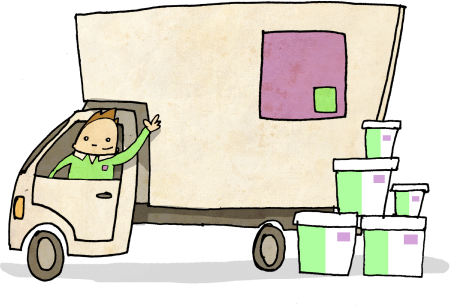
Moving furniture into storage can be a hassle, especially if you don’t have your own means of transportation. At Ready Steady Store, we understand the challenges and want to make the experience as seamless as possible for our customers. That’s why we’ve partnered with Enterprise to offer an exclusive deal for van rentals, specifically designed to make furniture moving hassle-free for our customers. Whether you’re looking for a self storage van hire or need help with transporting your belongings to our storage units, we’ve got you covered.
Once you’ve selected a storage unit that meets your needs, we can also connect you with local van and man companies to assist you on your move-in day. The cost of these services may vary depending on the company you choose, the amount of furniture you need to move, and the estimated duration of the move.
How to store furniture in your storage unit
Storing off the Floor
Remember, elevating your furniture in storage is essential to protect it from water damage during unexpected flooding. You can use pallets, cinder blocks, or sturdy cardboard to raise your furniture. This precaution helps reduce the risk of water damage and ensures your items remain dry and intact.
Stacking and Placement
Remember to organise your storage unit by placing the largest items at the back and then working your way forward with smaller items. Create an accessible aisle for easy movement within the unit by leaving enough space. Avoid overpacking to prevent damage from items being compressed or knocked over in the organised space.
Keep furniture safe at Ready Steady Store
Taking care of your furniture keeps it in good condition and shows the importance of durable, sustainable, and meaningful belongings. As you start storing your furniture with Ready Steady Store, these tips should help you make smart, practical choices in caring for and preserving it. This way, your furniture can be protected and used for many years.